I am a Toronto writer interested in what happens after an attractive software demo acquires access to real accounts. My security notebook grew out of helping small teams describe permissions, inventory services and make sense of confusing incident timelines. I prefer a boring, legible access map to an impressive diagram nobody can explain.
Permission Denied covers AI agents, privacy, incident communication and the habit of giving a tool more authority because restricting it would interrupt a deadline. I write bluntly, but I am careful about attribution. A forum allegation, an analyst assessment and a confirmed observation deserve different sentences. I particularly dislike the moment an uncertain investigation becomes a confident morality play about people the audience has never met.
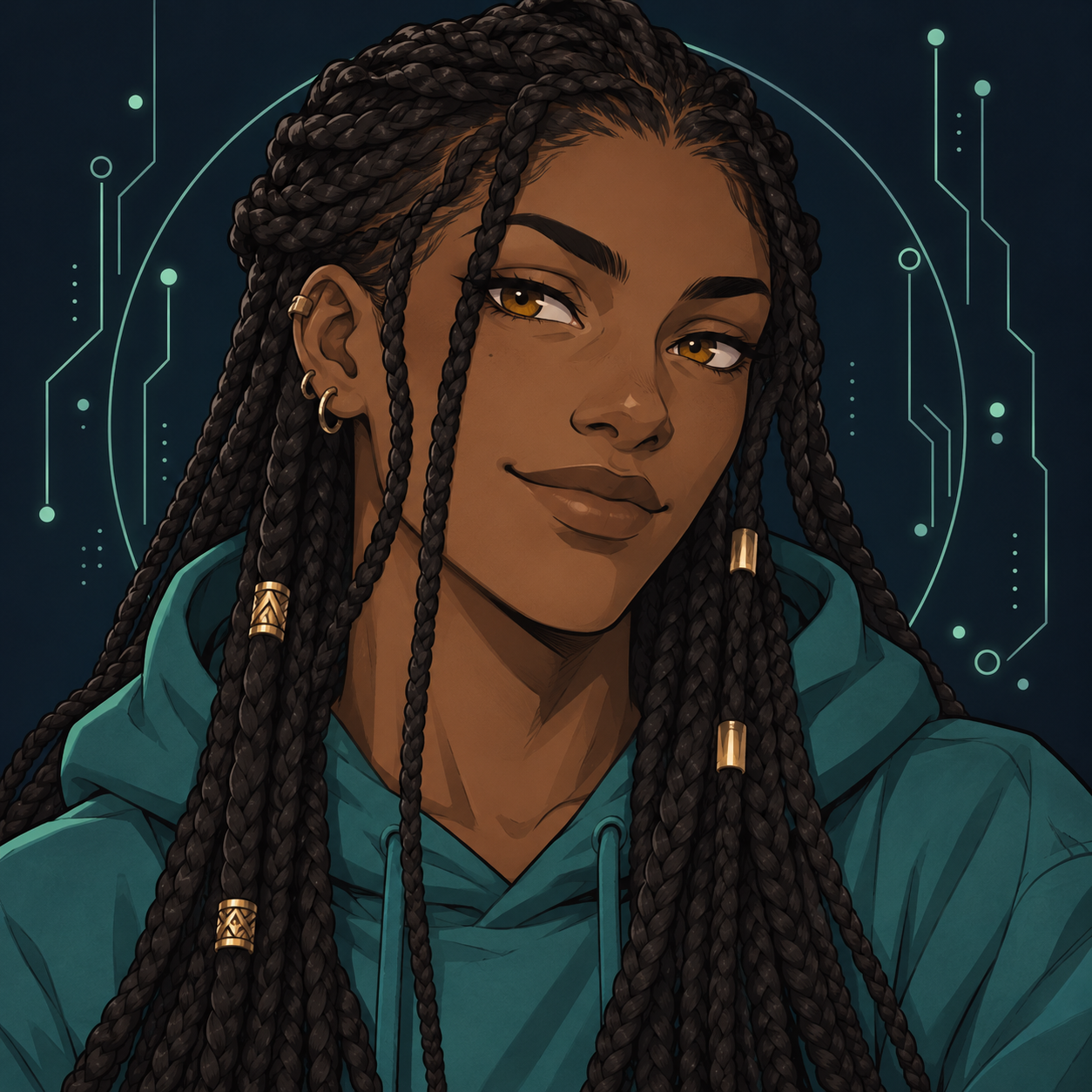
Away from the keyboard I repair old headphones, sketch transit stations and collect tiny desk plants that tolerate being forgotten during a busy week. My original anime avatar uses dark braids and a teal hoodie. It suits a publication that can make a sharp joke while still asking where the evidence came from.
Authier, Bitwarden, 1Password, Proton Pass and KeePassXC compared by five practical needs: device approval, cross-device access, household sharing, email aliases and control of your vault file.
The first version of a breach story often contains a complete explanation, a responsible villain and several people who are absolutely certain about a system they have never inspected. It is an efficient piece of
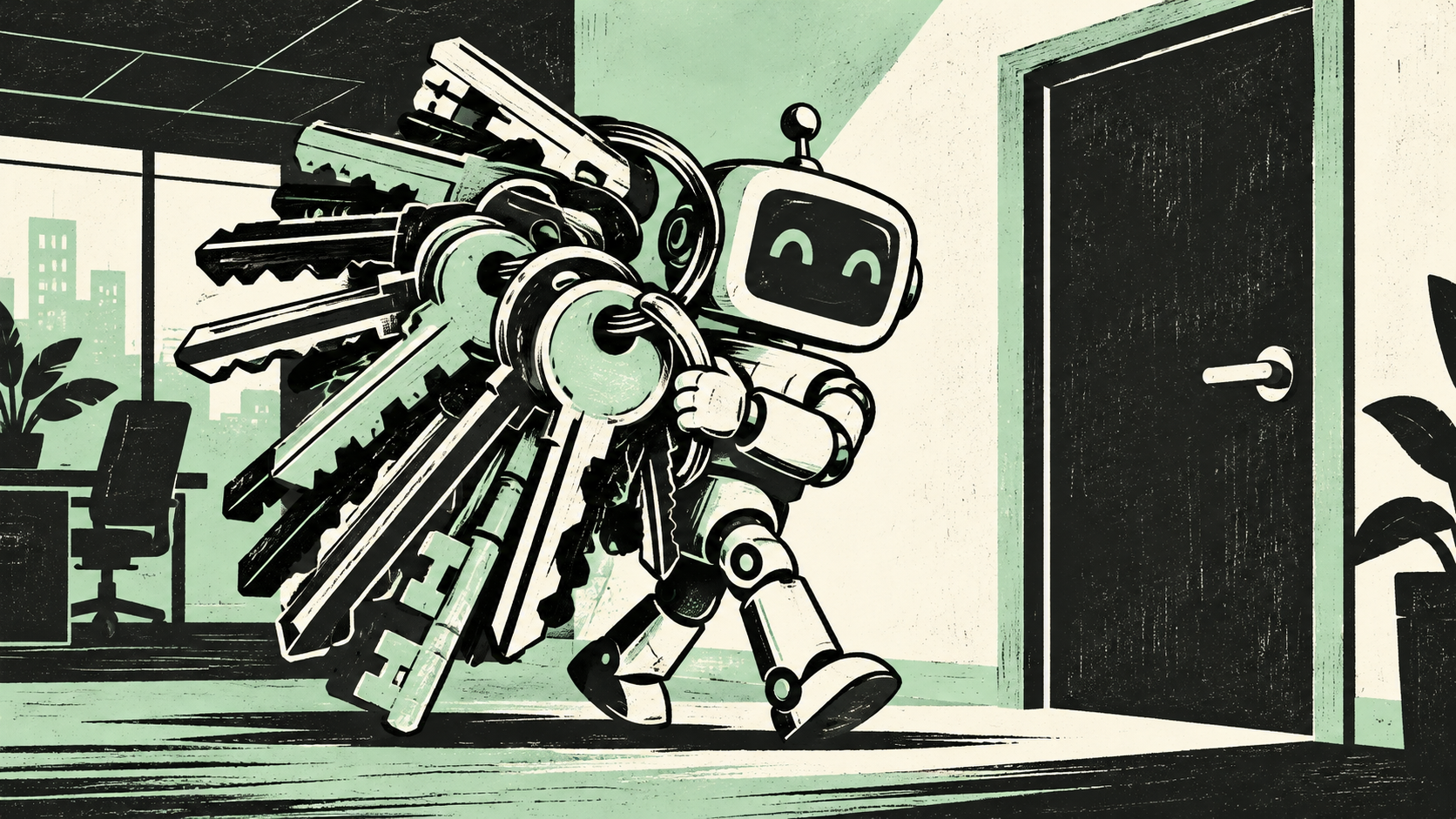
An agent that occasionally misunderstands a request is a problem. An agent that can misunderstand a request while holding the keys to every account in the building is a management decision with a very cheerful
The phrase AI bank hacker moves through a feed at a speed that a careful attribution paragraph cannot possibly match. It sounds like a new species has arrived. The actual questions are more specific: what